

Identifying Door Hinges For uPVC Doors
uPVC doors increase energy efficiency and reduce drafts. They are an increasingly popular choice for homes. However, they can drop over time and need regular maintenance. This guide will help you to identify the hinges on your door and how to adjust them using an Allen key.
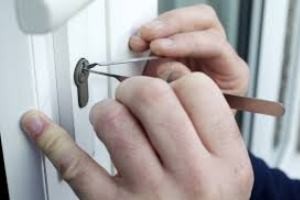
UPVC hinges can be adjusted to fit the door's height perfectly and maintain the hinge's alignment with the frame. The adjustment screws are located inside the hinge body.
Butt Hinges
Butt hinges are designed to be simple to install and are a great option for DIY enthusiasts as well as professionals. They offer smooth door operation, complemented by a sleek and modern design that improves the appearance of your doors and cabinets.
Butt hinges pivot on a pin, or axis, connecting the two hinge leaves. This allows the door to open and close easily while also providing stability and distributing the weight of the sash evenly to avoid it from sagging or sagging. These are available in different capacities to support a variety of sizes and weights for doors as well as cabinetry.
There are also a number of variations to the traditional butt hinge, which offer more functionality and features. A self-closing hinge, for instance, is equipped with a spring that automatically closes doors once released. This feature is useful for doors in public buildings like hospitals, where it is essential that the door shuts securely.
Another variation is a ball-bearing butt hinge that utilizes tiny balls to reduce friction between the hinge leaves, which can lead to wear and tear. This kind of hinge can be used for internal doors where friction is not a concern and may reduce the requirement for maintenance, but it is not recommended for external doors that are subject to heavy usage and weathering.
The process of creating and fitting butt hinges is a easy process that can be completed with basic hand tools. The first step is to determine the dimensions for the hinges should be identified and documented to ensure precision. Then, the metal material can be cut using the metalworking saw or any other cutting tool. After the hinges have been cut, the wing's alternate edges can be rolled to form the knuckles of the hinge.
Once the knuckles are formed then holes can be made into both the hinge plate and the hinge body to install them. The hinges are then screwed to the frame and sash of the door using the appropriate screws. After the hinges have been fitted, they can be covered with decorative caps to conceal the screws used to mount them and improve the appearance of the doors.
It is important to maintain the hinges of butts to ensure that they continue to work smoothly for a long time. Regular cleaning and lubrication of hinges with WD-40 or a similar light oil helps reduce friction. It is essential to inspect the hinges on a regular basis for signs of damage or wear such as loose screws. To prevent further damage make sure to tighten the screws whenever necessary. Maintaining butt hinges will save you money over time, as worn-out hardware will need to be replaced more often than hinges that are maintained.
Repair My Windows And Doors is a particular kind of hinge for doors designed to work with uPVC frames and doors. It is comprised of two components. One is fixed to the sash which is the opening and moving portion of the door. The other part is fixed to the frame or an adjacent structure. Both are joined by a pin that acts as the hinge's axis. The pin is typically designed to resemble the flag and this is the reason why this kind of door hinge its name.
This type hinge has the advantage of being extremely durable and capable of supporting heavy doors. This means it is ideal for use in schools, hospitals and other settings where the doors need to be able to handle a lot of pressure. Additionally, since the hinge is sturdy, it can provide a high degree of security.
These hinges are commonly found in uPVC doors and windows and can be used to create a variety of designs and finishes. They are also available in a variety of colors, which can help to create a more aesthetically appealing door.
Another major benefit of this hinge is that it is simple to install. It is because the hinge is pre-assembled which makes it much easier to fit. Pre-drilling the pin-locating as well as screw holes in the sash and frame pieces is necessary for the installation of the hinge. Then, simply insert the hinge and secure it with screws.
It is important to ensure that the hinge is properly aligned after installation. You can do this by examining the door for any gaps or misalignments. Also, any squeaking or creaking sounds when the door is closed and opened should be investigated as this could indicate that the hinges need to be adjusted.
A door that isn't properly aligned may cause it to be caught when it closes or opens. It can be frustrating and challenging to fix. However there are many options to solve it. The most common type of hinge to fix this issue is a flag or butt hinge which can be adjusted in three dimensions in three directions: laterally; left and right height, up and down and compression, as well as the degree to which the door is pulled against the frame.
To adjust the height adjustment or the lateral adjustment, remove the cap of the hinge on top of the hinge. The adjustment screw will be exposed. After removing the adjusting screw, you can loosen it and move it to the desired position. This can be done by hand however, you may need to use a power tool to ensure that the screw is removed in the right position. You can then repeat this procedure for the opposite side of the hinge. After both hinges have been adjusted, the locating pins located on the hinge bodies can be used to fix them in place.